👋 In Brief30 sec read
The frontier is rapidly collapsing into the local stack, with DeepSeek-V4-Flash-0731 delivering near-frontier intelligence at a scale that challenges cloud-only assumptions. Simultaneously, the maturation of the Model Context Protocol (MCP) 2.0 is standardizing how agents interact with local and remote environments, signaling a shift from monolithic agent design to modular, interoperable tool-use architectures.
📌 Top Stories — Today's Biggest Moves (skim)
The day's highest-signal stories, ranked by builder-relevance — each linked to its primary source.

⚡ The Pulse — If You Only Read One Thing90 sec read
The day's signal in 90 seconds — start here.
🎯 Today's Game-Changer
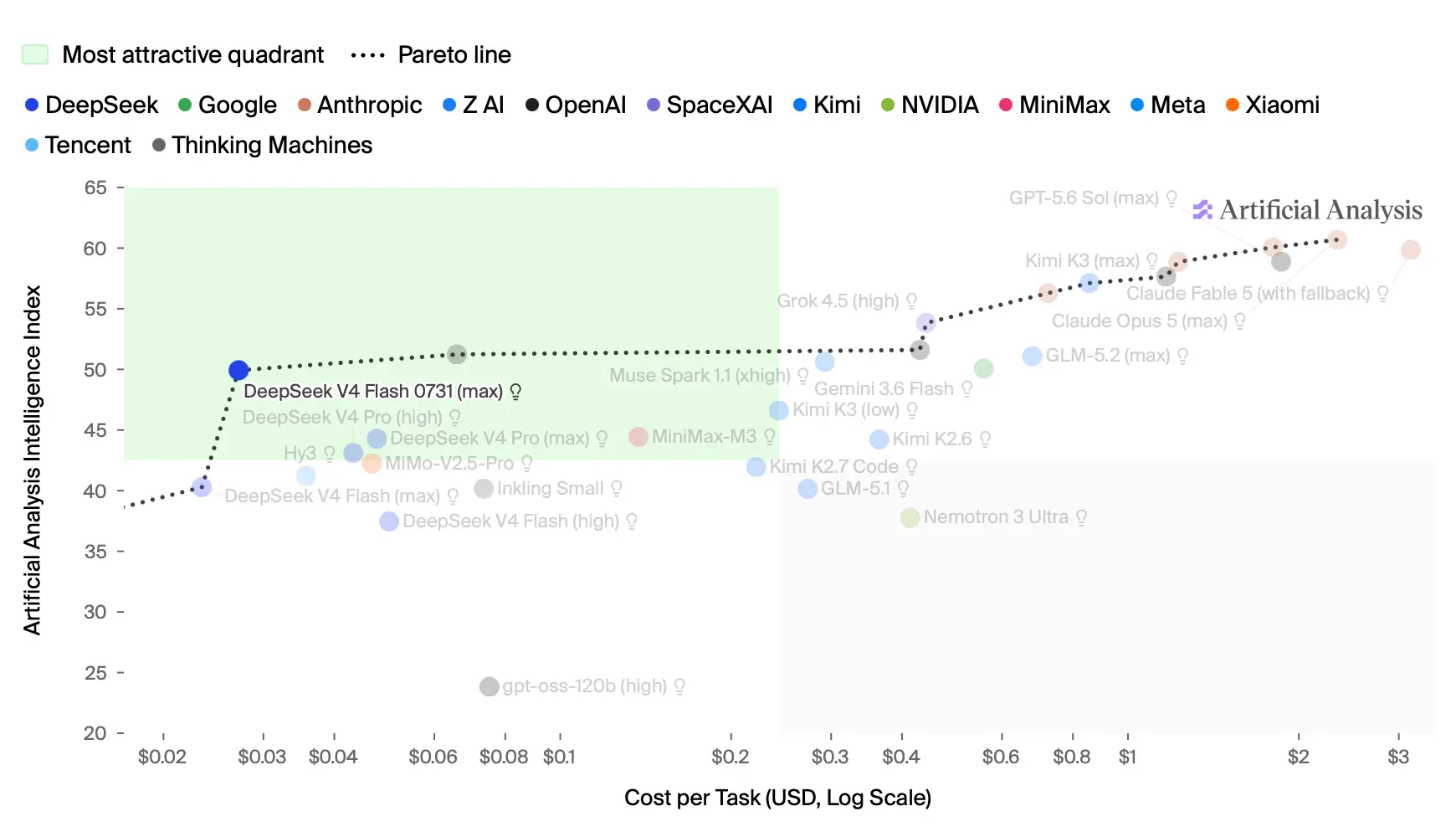
The release of DeepSeek-V4-Flash-0731, a 304B parameter model, marks a critical inflection point where local-runnable models now match the intelligence scores of frontier models from early 2026. By achieving an intelligence index score of 50—nearly parity with the 51 score held by top-tier models in March 2026—this release enables high-reasoning agentic workloads on local hardware, effectively decoupling advanced intelligence from proprietary API latency and cost constraints.
Community benchmarks suggest this model is viable for production-grade reasoning on high-end local clusters, forcing a re-evaluation of the "API-first" agentic stack.
📍 In a Nutshell
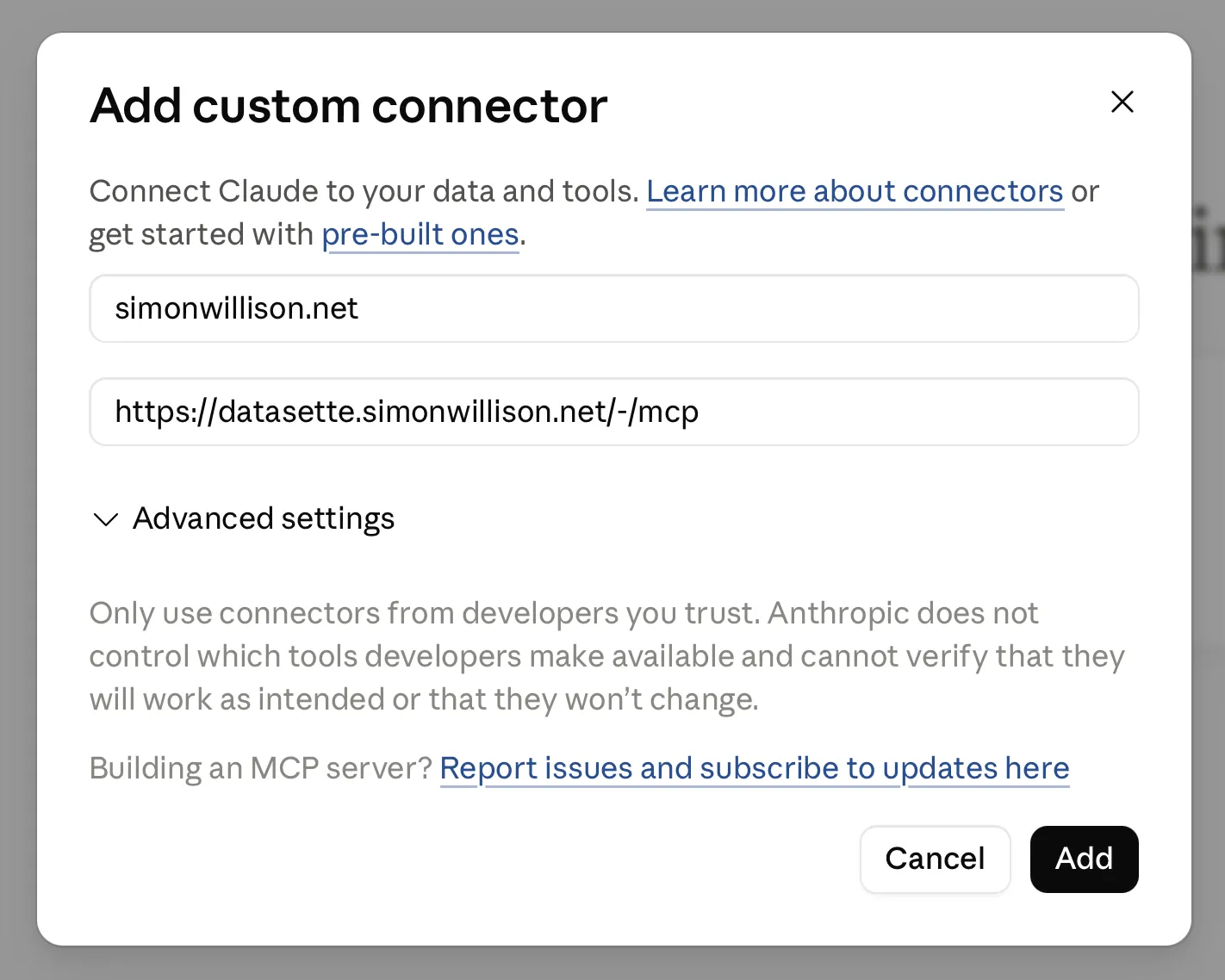
- MCP 2.0 (Stateless) released — The new specification standardizes agentic interoperability, enabling stateless, modular tool-use across diverse environments.
source
ORCA-bench introduced — A new benchmark evaluating LLM agents on oncall root cause analysis, testing reasoning over noisy logs and traces.
- NVIDIA Video Codec SDK 13.1 — Adds zero-copy transcoding and AV1 B-frame support, critical for low-latency multimodal agentic pipelines.
source
- Together AI autoscaling — New guidance on tuning replica warm-up and scaling metrics for production LLM inference endpoints.
source
- EU AI labeling mandate — Starting August 2, authentic-looking AI content must be explicitly labeled, impacting synthetic media and agentic output workflows.
source
- Amazon Quick Agentic Catalog — AWS introduces natural language discovery for data assets, streamlining agentic data-prep workflows.
source
- NVIDIA attention co-design — Research into optimizing attention mechanisms for long-context interactive inference, reducing latency in agentic loops.
- OpenAI math advances — New results on geometry and cryptography, signaling potential future improvements in model reasoning capabilities.
source
🚀 Opportunity of the Day2 min read
The single best thing to build right now.
Oncall-Agentic Observability Bridge
- The gap: Current observability tools (like Amazon Bedrock AgentCore) are siloed within cloud ecosystems, while the ORCA-bench paper highlights that oncall RCA requires reasoning over noisy, heterogeneous data (logs, traces, metrics) that agents currently struggle to synthesize.
- Why now: The release of ORCA-bench provides a standardized evaluation framework for oncall tasks, and the shift toward stateless MCP 2.0 allows for the creation of standardized "observability tools" that agents can call regardless of the underlying infrastructure.
- Build as: An OSS middleware library that translates raw telemetry (OpenTelemetry/Prometheus) into an "Agent-Ready Context Graph" compatible with MCP 2.0.
- Wedge & moat: Start by providing a "Reasoning-Ready" adapter for existing SRE tools; the moat is the proprietary dataset of "successful vs. failed" RCA traces you collect as agents use your middleware.
- Already heating up: (Speculative — no direct validation signal yet, but ORCA-bench has generated significant discussion on the necessity of domain-specific agentic benchmarks.)
- Closest existing solution:
- First step this week: Implement a prototype MCP server that consumes a Prometheus query and returns a summarized "Incident Context" object, then test it against the ORCA-bench dataset.
📊 Stack Signals — Pick Your Tools3 min read
What moved in tools, benchmarks & funding.
Benchmarks & Evals
- ORCA-bench — A new benchmark for oncall root cause analysis, focusing on reasoning over noisy logs and traces.
Repo & Model Velocity
DeepSeek-V4-Flash-0731 — High-intelligence local model; seeing massive adoption for local agentic workflows.
- MCP Specification — The core repo for the 2.0 spec; critical for any agentic tool-use project.
- llm-mcp-client — A new client for interacting with MCP servers, gaining traction for local agent orchestration.
Funding & Launches — with Thesis
Flint — A visualization language for the AI era; Thesis: Standardizing how agents output and visualize data for human-in-the-loop verification.
🔬 Deep Reads — For When You Have Time (skip if rushed)
The one paper to actually read this week.
📖 The One Deep Read
ORCA-bench: How Ready Are Language Model Agents for Oncall? by Gong et al. This paper is essential because it moves beyond generic reasoning benchmarks to evaluate agents on the specific, noisy, and high-stakes task of incident response. It exposes the fundamental gap between "chatting" and "operating" systems. Read it for: Understanding the failure modes of agents when dealing with real-world, ambiguous system telemetry.
📑 Supporting Research