👋 In Brief30 sec read
The agentic ecosystem is shifting from monolithic, black-box orchestration toward modular, harness-driven architectures that prioritize observability and state-control. Today’s signal highlights a critical move toward formalizing multi-agent failure modes and the emergence of React-like patterns for agentic control loops.
📌 Top Stories — Today's Biggest Moves (skim)
The day's highest-signal stories, ranked by builder-relevance — each linked to its primary source.
⚡ The Pulse — If You Only Read One Thing90 sec read
The day's signal in 90 seconds — start here.
🎯 Today's Game-Changer
Anthropic has released Patterns and problems in emerging multi-agent systems, a foundational analysis of the failure modes inherent in multi-agent architectures. For platform architects, this is the definitive guide to why current agentic systems fail in production—specifically identifying "looping," "resource contention," and "semantic drift" as the primary blockers to scaling agentic workflows beyond simple task-chains.
📍 In a Nutshell
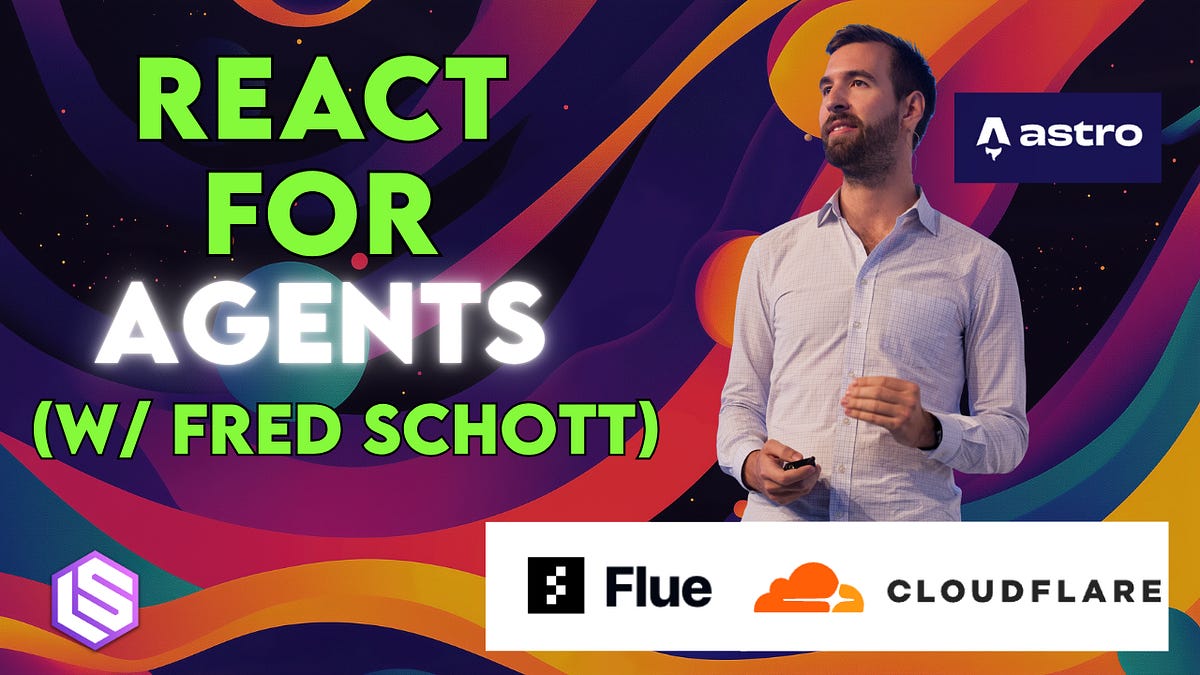
Flue 2 shipped — introducing React-like hooks to agent harnesses to enable stateful, reactive control loops.
LittleLearner released — a study on pedagogically-controlled knowledge exposure, proving that training on curated, curriculum-based data significantly improves reasoning efficiency.
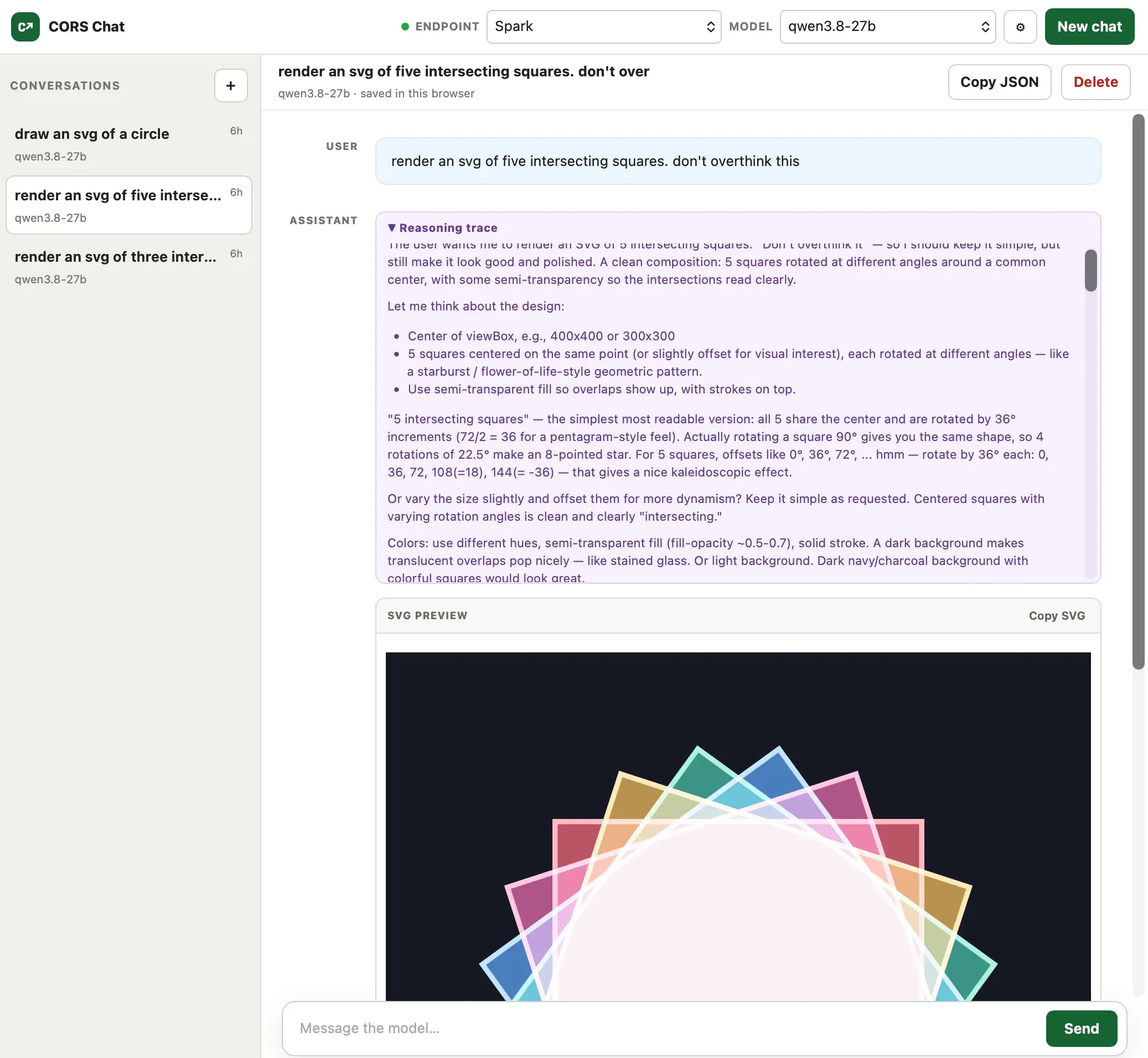
CORS Chat launched — a lightweight web UI for testing OpenAI-compatible local endpoints, essential for rapid local-model iteration.
Ternary model interest spikes — community discourse confirms a resurgence in 1.58-bit model experimentation for edge-deployment efficiency.
Drug discovery AI analysis — a critical look at the gap between hype and clinical reality in AI-driven molecular design.
Working memory debate — a viral critique of the "AI vs. Human" cognitive comparison, highlighting the difference between raw memory access and deep reasoning.
🚀 Opportunity of the Day2 min read
The single best thing to build right now.
Curriculum-Based Agentic Fine-Tuning (CRAFT)
- The gap: Current agentic fine-tuning relies on massive, uncurated datasets that lead to "skill-dilution," where agents lose reasoning depth as they gain breadth.
- Why now: The
- Build as: A developer tool (SaaS) that ingests raw enterprise documentation and outputs a "curriculum-ordered" fine-tuning dataset for agentic models.
- Wedge & moat: The wedge is a "Reasoning-Density Score" for enterprise datasets; the moat is the proprietary curriculum-sequencing algorithm that compounds as you ingest more domain-specific data.
- Already heating up: 114 points on HN and significant discussion on r/LocalLLaMA regarding the efficiency of curriculum-based training.
- Closest existing solution:
Hugging Face TRL provides the infrastructure, but lacks the pedagogical sequencing logic required to structure data for agentic reasoning.
- First step this week: Prototype a "Curriculum-Sequencer" script that sorts a 10k-document corpus by conceptual complexity and tests it against a baseline model on a standard agentic benchmark (e.g., GAIA).
📊 Stack Signals — Pick Your Tools3 min read
What moved in tools, benchmarks & funding.
🧱 Standards, Protocols & the Agent Platform Stack
- MCP (Model Context Protocol)⚠ [Memory/Context] — Architect's take: Adopt; the registry is expanding, and it is becoming the de facto standard for tool-server interoperability.
Benchmarks & Evals
LiveCodeBench — No major leaderboard shifts in the last 48 hours, but the focus is shifting toward "reasoning-trace" evaluation metrics.
Repo & Model Velocity
- LM Studio⚠ — Continues to dominate local-model testing workflows due to its OpenAI-compatible endpoint support.
Funding & Launches — with Thesis
Anthropic Research — Thesis: The industry is moving from "agent-as-a-tool" to "agent-as-a-system," where the architecture of the interaction is more important than the model itself.
🔬 Deep Reads — For When You Have Time (skip if rushed)
The one paper to actually read this week.
📖 The One Deep Read
Patterns and problems in emerging multi-agent systems by Anthropic. This paper is the first to rigorously categorize the failure modes of multi-agent systems, moving the conversation from "can agents do X" to "how do we prevent agents from breaking the system." Read it for: The taxonomy of multi-agent failure modes (looping, resource contention, semantic drift).
📑 Supporting Research
AI in drug discovery — A sober assessment of the current limitations in AI-driven molecular biology.