| Wednesday, August 19, 2026 |
👋 In Brief30 sec read
The agentic stack is rapidly shifting from "reasoning-only" to "transactional-capable" platforms, marked by the arrival of native payment orchestration in enterprise environments. Today’s briefing focuses on the infrastructure required to move agents from experimental sandboxes into production-grade, autonomous economic actors.
📌 Top Stories — Today's Biggest Moves (skim)
The day's highest-signal stories, ranked by builder-relevance — each linked to its primary source.


⚡ The Pulse — If You Only Read One Thing90 sec read
The day's signal in 90 seconds — start here.
🎯 Today's Game-Changer

📍 In a Nutshell
Together AI's DeepSWE analysis confirms that model routing (Pro-first cascades) hits 83% pass rates at a fraction of the cost of frontier models. source
Agent Lightning v1.0 introduces a disaggregated architecture for "harnessed agentic RL," formalizing the separation between agent logic and harness control. source
Asana's Codex implementation replaced five years of engineering work in two weeks, highlighting the massive ROI of agentic code-refactoring pipelines. source
fx launched as a tiny, native coding agent, gaining rapid traction for its focus on local-first, low-latency execution. source
Box and Google Cloud are scaling multimodal enterprise agents using Gemini Embeddings 2, signaling a shift toward native multimodal RAG. source
Mojo🔥 is now open source, providing a high-performance alternative for custom agentic kernels and low-level AI primitives. source
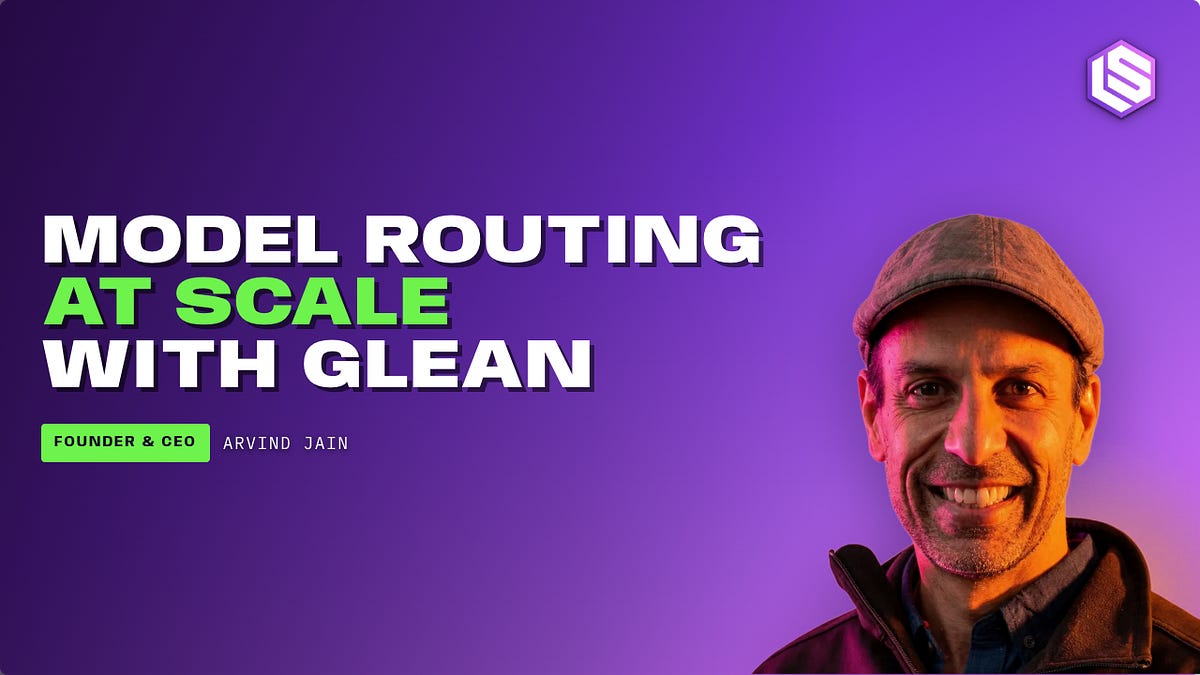
Glean CEO Arvind Jain argues that model routing is now the primary lever for controlling enterprise AI costs at scale. source
🚀 Opportunity of the Day2 min read
The single best thing to build right now.
Agentic Payment-Orchestration Middleware
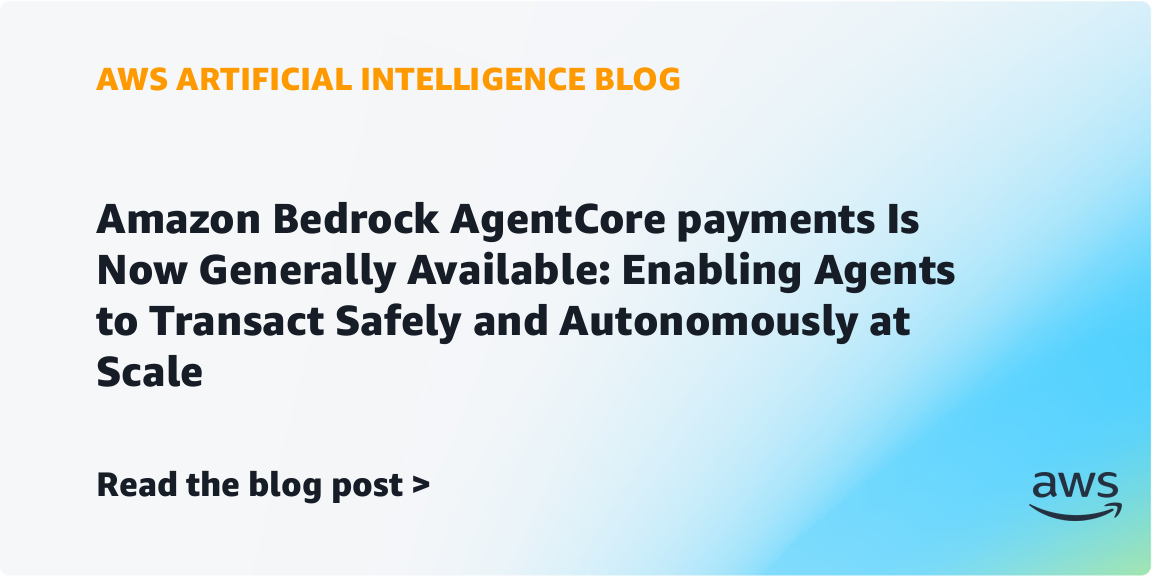
- The gap: While Bedrock AgentCore provides the payment *execution* layer, there is no platform-agnostic middleware to manage multi-provider payment protocols (Stripe, crypto, bank rails) and cross-agent identity verification.
- Why now: The GA of Bedrock AgentCore payments [17] creates a market standard that developers will now build against, but enterprises need a "Payment Gateway for Agents" to avoid vendor lock-in and handle complex multi-step transaction flows.
- Build as: Developer infra (SDK/API) that sits between the agent harness and the payment processor.
- Wedge & moat: The wedge is a "plug-and-play" connector for existing agent frameworks (LangChain, AutoGen); the moat is the accumulation of transaction-safety metadata and compliance logs that become the "credit score" for agents.
- Already heating up: (speculative — no direct middleware competitor yet, though Bedrock's move validates the demand for agentic financial autonomy).
- Closest existing solution:
Stripe API is the closest, but it lacks the agent-specific context (e.g., "is this agent authorized to spend this budget?") that a dedicated agentic middleware would provide.
- First step this week: Prototype a "Payment-Guardrail Proxy" that intercepts tool calls to payment APIs and validates them against a JSON-based policy file.
📊 Stack Signals — Pick Your Tools3 min read
What moved in tools, benchmarks & funding.
🧱 Standards, Protocols & the Agent Platform Stack
Benchmarks & Evals
Repo & Model Velocity
Funding & Launches — with Thesis
🔬 Deep Reads — For When You Have Time (skip if rushed)
The one paper to actually read this week.
📖 The One Deep Read
Agent Lightning v1.0: Towards Harnessed Agentic RL by Zhiyuan He et al. This paper is the blueprint for the next generation of agentic platforms. It moves away from monolithic agent design toward a disaggregated architecture where the harness is a first-class citizen. Read it to understand how to decouple your agent's reasoning logic from its execution environment.
Read it for: The architectural pattern for building modular, RL-ready agent harnesses.
📑 Supporting Research